How to Handle Emergency Plumbing Services Before Flooding
Learn when to call for emergency plumbing services plus immediate water shutoff steps and pricing facts to protect your home from damage.


Knowing how to locate and shut off your main water valve prevents catastrophic residential flooding.
Waking up to the sound of running water behind your bedroom wall in the middle of the night is a scary feeling. Water under pressure moves fast and it does not take long for a broken pipe to ruin floors, soak ceilings and cause thousands of dollars in water damage. In those first few minutes, knowing what to do and what valve to turn makes all the difference. You do not want to stand in wet socks trying to figure out where your water meter is while water pours through your ceiling.
A lot of people panic and immediately start calling every phone number they see on the internet. Getting someone to drive out to your house at three in the morning is great, but it costs serious money. Understanding how basic house plumbing works helps you stop the leak fast, figure out if you really have an emergency and avoid paying huge nighttime fees for something that could wait until morning.
True Home Crisis vs Problems That Can Wait Until Morning
When water starts leaking, you need to ask yourself three simple questions. Is water actively spreading across your floors right now? Is dirty sewage water coming up out of your drains? Is water getting anywhere near light fixtures or electric outlets? If you answered yes to any of those questions, you need emergency plumbing services at your door as soon as possible.
If the answer is no, you can probably handle things yourself for a few hours. Many small leaks can be stopped by turning a little valve under the sink or behind the toilet. Shutting off water to that one broken fixture buys you time, lets your family get back to sleep and saves you from paying double or triple prices for a middle of the night visit.
Big Problems That Need Someone at Your Door Tonight
A water pipe that burst open, a main sewer line backing up into your basement or a sixty-gallon water heater that split at the bottom are real emergencies. When dirty sewage water pushes back up through bathtub drains and toilets, it brings awful smells and harmful germs straight into your home. You cannot just wipe that up with paper towels and wait for the weekend to pass.
Another big danger is water touching anything electrical. If water from an upstairs leak starts dripping through a ceiling fan or pooling near your breaker box, stay away from it because you could get shocked. In dangerous situations like that, calling an experienced 24 7 plumber right away keeps your house safe and protects your family from real harm.
Small Fixture Annoyances That Can Wait Until Morning
A kitchen faucet with a steady drip or a toilet that keeps running might be annoying, but neither one is going to ruin your house overnight. If your toilet will not stop running, look behind the bowl near the floor and turn the little oval handle clockwise until it stops. You can simply use another bathroom and call a regular plumber when normal morning business hours open up.
A slow bathroom sink or a shower that drains sluggishly also belongs on the waitlist. As long as wastewater is staying inside the pipe and not bubbling up into other rooms, there is no reason to pay high nighttime rates. Waiting until regular business hours will save you hundreds of dollars in basic service charges.
The First Ten Minutes: Steps to Take Before the Van Arrives
What you do in the first ten minutes after finding a leak matters more than how fast a repair van gets to your street. If you spend fifteen minutes on the phone while water keeps pouring across your floor, you are going to end up with ruined carpets and soaked drywall. Taking fast action cuts down the damage and helps the technician get straight to work when they walk through your front door.
First, grab a flashlight and put on a pair of boots so you do not slip or step on anything wet. Move your kids and pets into a dry room so they stay out of the way. Once you get the water shut off, pull out your phone and take a few quick photos and videos of the wet areas, which will help a lot when you talk to your insurance company later.
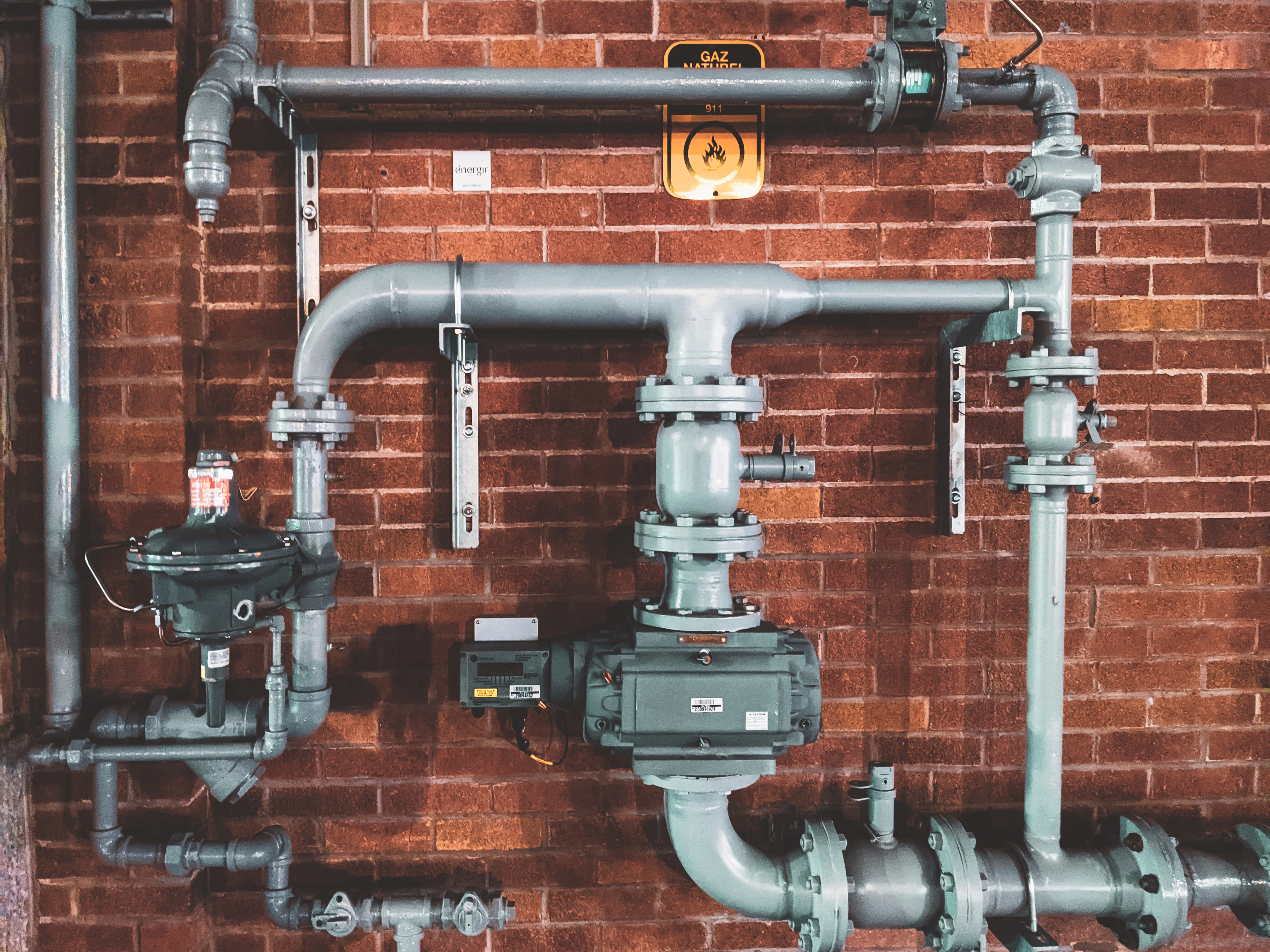
Finding and Turning Off Your Main Supply Valve Fast
Every adult in the house should know where the main water shutoff valve is located. In homes with a basement or crawl space, this valve is usually on the front wall where the main pipe comes in from the street. In houses built on a concrete slab, you will often find it near the water heater or outside in a ground box near your front sidewalk.
Older homes often have round wheel handles on their valves. If the handle looks rusty, turn it slowly and steadily clockwise until it stops, taking care not to yank it too hard. Newer homes use lever handles that only need a quarter-turn so the handle points across the pipe instead of along it. Once the valve is closed, open an outside hose faucet to drain the leftover water out of your pipes.
Staying Safe Around Electrical Outlets and Moving Wet Items
Water on the floor is dangerous if it gets close to wall outlets or floor heaters. If your electrical panel is in a dry spot that you can walk to safely, turn off the breakers for the wet rooms. If getting to the panel means walking through puddles of water, do not touch it and wait for the technician or utility workers to arrive.
Once power to the area is safe, grab a broom or towels to push standing water away from your walls and toward any floor drains. Pick up rugs, wooden chairs and cardboard boxes off wet carpets and put them on tables or in dry rooms. Getting wet items off the floor quickly gives you the best chance of drying things out before mold starts growing.
Costs Breakdown: What Emergency Dispatch Actually Costs
Plumbers charge higher rates at night and on weekends because someone has to leave their home, drive through bad weather and climb into wet crawl spaces when normal businesses are closed. Keeping trucks stocked with parts and paying workers overtime costs money, so companies pass those expenses along in their bills.
Knowing how these bills work protects you from surprises when the job is done. A trustworthy plumbing shop will always explain their travel fees and basic rates over the phone before they send a van out. If someone refuses to tell you what it costs just to show up at your house, hang up and call another company.
Service Fees, Hourly Rates and Holiday Surcharges
During normal weekday hours, having a plumber show up to check a problem usually costs between one hundred and two hundred dollars. When you call an emergency 24 hour plumber late at night, that basic travel charge often jumps up to three hundred dollars or more before any repair work even starts.
Hourly work rates at night are typically one and a half to two times higher than normal daytime rates. If you have a disaster on Thanksgiving, Christmas or New Year weekend, prices can climb even higher. A basic pipe fix that costs four hundred dollars on a regular Tuesday afternoon can easily cost double that amount in the middle of a holiday night.
Questions to Ask on the Phone Before You Say Yes
When water is leaking, it is easy to say yes to the very first person who picks up the phone. Take half a minute to ask three clear questions before you give them your home address. First, ask if their travel fee counts toward the cost of the repair if you hire them to do the work. Many honest plumbing companies will subtract the travel fee from your final bill.
Second, ask if they charge a flat price for standard fixes or if they bill purely by the hour. A flat price is usually better because you will not pay extra if an old pipe fitting is stuck and takes an extra hour to fix. Finally, ask what payment types the driver takes on site. Some companies ask for a credit card over the phone before they even send a truck out.
Regional Winter Freezes and Infrastructure Challenges in New Jersey
Homes in the Northeast deal with tough weather swings that can do serious damage to water pipes. In older towns, many houses still have old cast-iron sewer lines and bare copper water pipes running through drafty outside walls. When deep winter freezes hit, cold winds blow through small wall gaps and turn standing water into solid ice in just a few hours.
When a severe cold snap rolls through the state, calls for an emergency plumber in nj go through the roof in a matter of hours. Repair shops get booked solid as pipes freeze and split in unheated crawl spaces and attics all over the area. Understanding how winter affects your home helps you take simple steps before the freezing weather arrives.
Dealing with Frozen Walls and Burst Pipes Across Garden State Winters
When water freezes into ice, it expands with enough force to split open thick metal pipes. The pipe usually does not crack right where the ice forms; instead, the expanding ice pushes water against closed faucets until the pipe bursts from inside pressure. You usually do not even know the pipe broke until the ice melts and water starts pouring out through your ceiling.
If you turn on your faucet on a freezing morning and only get a tiny trickle of water, your pipe is already frozen. Keep the faucet open, open up the cabinet doors under the sink to let warm room air in and use a regular hair dryer to slowly warm up the cold pipe. Never use a blowtorch or open flame on pipes inside your walls because dry wood studs catch fire very fast. If the frozen spot is deep inside a wall where you cannot reach it, calling emergency plumbers in new jersey helps thaw the line safely before it splits wide open.
Sandy Coastal Soil and Older Shore Town Plumbing
When you head south toward the coast, plumbing issues change because of sandy soil and high water levels in the ground. Heavy rain and coastal storms can push water tables up, which forces sump pumps to run nonstop and makes septic tanks struggle to drain properly.
Repair crews providing emergency plumbing south new jersey services keep heavy-duty water pumps and high-pressure drain cleaners on their trucks to clear out sand and mud blockages. Working on homes near the beach takes local experience because sandy soil and salt air wear out metal parts faster than inland areas. Having a good local repair number saved on your phone saves precious time when storms blow in.
Checking for a Real New Jersey Master Plumber License
New Jersey has strict rules to protect homeowners from bad work. Anyone running a plumbing business in the state must hold an active state master plumber license. Real companies display their state license number on their trucks, their paperwork and their business cards.
Before you let anyone start cutting pipes in your basement, ask to see their license or check their name on the state website. A handyman working without a license might offer a cheaper cash price, but they usually do not carry the right insurance. If an unlicensed worker makes a mistake and floods your house, your homeowner insurance policy might refuse to pay for the damage. Hiring a licensed 24 hour plumber in nj gives you peace of mind that the work meets state building safety codes.
Preventing Future Disasters Across Your Domestic Pipe Network
Once your leak is fixed and your floors are dry, your main goal should be making sure you never go through that mess again. Most serious floods do not happen out of nowhere; they usually give plenty of small warning signs like slow drips, noisy pipes or rusty water heaters long before they finally burst. Paying attention to basic residential plumbing upkeep stops tiny issues from turning into middle of the night emergencies.
Having a technician inspect your system once a year is a great way to catch worn-out parts early. An inspector can check your home water pressure, look for corrosion on your water heater and make sure your main sewer line is clean. Taking care of your pipes bit by bit protects your home and keeps your family safe from unexpected water disasters.
Swapping Out Old Supply Hoses and Watching Your Water Heater
Take a few minutes this weekend to look at the flexible hoses behind your washing machine, dishwasher and toilets. Cheap rubber hoses get brittle over time and can suddenly split open while you are away at work. Replace those old rubber hoses with braided stainless steel lines that resist high pressure and do not kink easily.
Your water heater also needs regular attention before it gets old and starts leaking from the bottom. Simple checks like those explained in our guide to water heater repair help you spot rust around fittings and test safety valves before problems get out of hand. Most tank heaters last around ten years before the inner tank wears out. If your heater is getting old and shows rusty spots near the bottom seams, plan to replace it before it causes a messy weekend flood.
Adding Water Sensors and Automatic Shutoff Valves
Smart home gadgets now make it easy to protect your house from water damage while you are away. Inexpensive battery-powered water sensors can be placed under your washing machine, behind toilets and next to your water heater. These little pucks make a loud beeping sound and send an instant alert to your smartphone the second they touch water.
If you want the best protection possible, you can install an automatic shutoff valve on your main water line. These smart valves monitor how much water flows through your pipes all day long. If a pipe breaks and water starts running nonstop, the valve detects the problem and automatically shuts off your main water line in seconds, even if you are on vacation hundreds of miles away.
FREQUENTLY ASKED QUESTIONS
Q:What should I do first during a major plumbing leak?
Q:How much do after-hours emergency plumbers usually cost?
Q:Why do pipes burst during cold winter weather?
Q:How do I verify a plumber license in New Jersey?
Stay connected with On Gravity News for live updates and continuation of breaking developments.

Sophia Chen
Senior Lifestyle & Wellness Columnist at On Gravity Magazine, specializing in in-depth features, investigative series, and editorial columns.
More from Life Style

Simple Home Methods for How to Measure Ring Size Accurately


Simple Home Methods for How to Cook Barley Right Every Time


The Complete Guide to Men's Wedding Bands

YOU MAY HAVE MISSED

Unleash Stress: The Ultimate Guide to Rage Room Houston

Essential Felicity Jones Movies Ranked and Reviewed


The Ultimate Guide to Premium Artisan Chocolate Bars Today

Radiology Tech Salary Guide: Earnings, Factors and Growth

Meet Gal Gadot Husband: The Untold Story of Jaron Varsano
